Brain Injury Awareness

Brain Injury Awareness
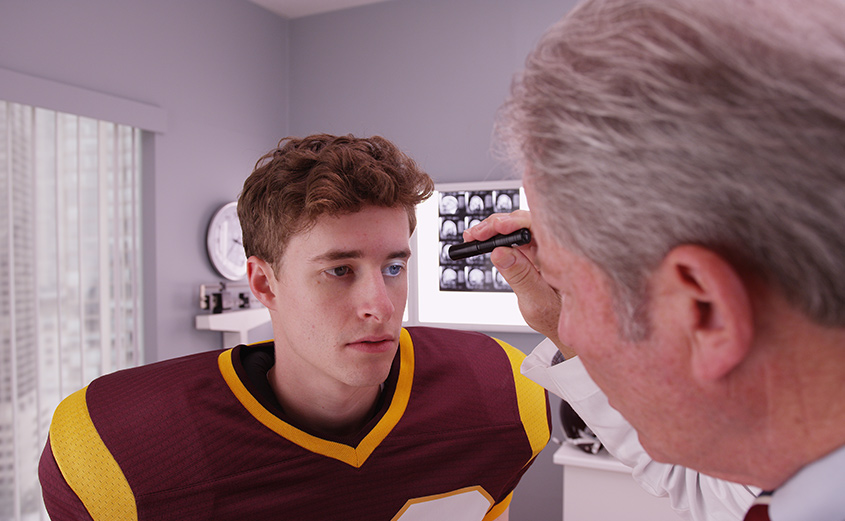
brain injury, traumatic brain injury, tai, concussionsMarch is Brain Injury Awareness Month. As the month comes to a close, it is important to discuss what causes– and what happens during– a traumatic brain injury (TBI). After all, TBI’s effects over 2.5 million individuals in the United States.

What is a TBI?

Simply, a TBI is a physical injury to the brain. However, the injury comes from a physical outside impact or the brain’s impact with the skull. A TBI does not refer to hypoxia (lack of oxygen to brain), stroke, or tumor. Instead, the major causes of TBI are falls (28%), car crashes (20%), and blunt force from an object (19%). After initial assault, further damage could be done in what is known as a secondary injury. An example of a secondary injury is restricted blood flow to a region of the brain.

“I am confused. Do I have a concussion or a TBI?”

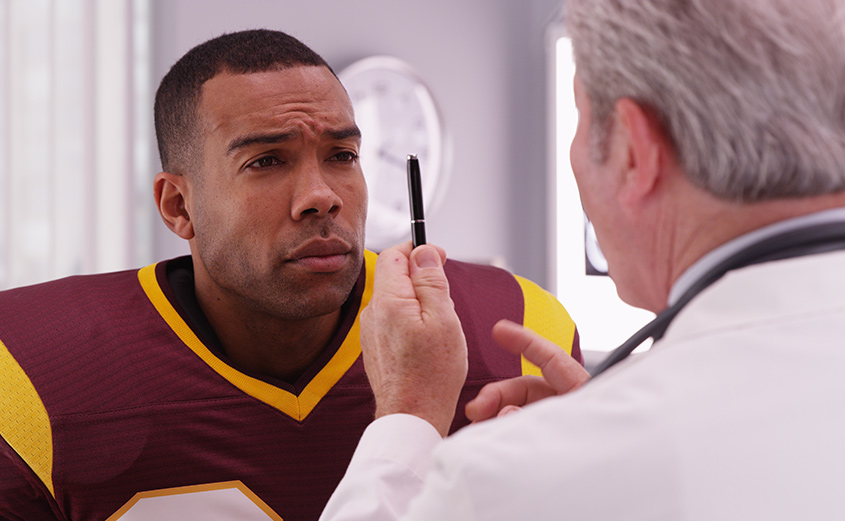
The short answer is: most likely both! That is because a concussion, by definition, is a type of brain injury often referred to a mild TBI (mTBI). A concussion is therefore a type of brain injury that, depending on the severity, can be quite serious. Sports players are especially vulnerable due to physical contact with the skull. If you are experiencing headaches, fatigue, and/or poor balance, it is wise to make a consultation before continuing intense physical exercise. To learn more about concussions, check out the Pathways website!

What happens to your brain during a TBI?

The human brain is an astonishing organ, weighing in at roughly over  three pounds  and consisting of 86 billion neurons (brain cells). The texture of the brain can be best compared to that of gelatin. The skull is a hard protective barrier between the delicate brain tissue and the environment. However, when the brain is injured, it swells and fills with fluid just as other parts of the body would. Swelling can cause your brain to push against the skull, causing immense pressure inside the head that could potentially cause further damage, discomfort, and pain.

The neurons of the brain communicate via special messenger molecules called neurotransmitters. These chemicals are in proper balance in order to control mood, sleep, desire, and sense of happiness. A TBI will often disturb this delicate chemistry, resulting in altered emotions and thoughts. Consequently, behavior is often disturbed in those with TBIs.The brain’s chemical balance will often restore itself upon healing. When the injury is very severe, sometimes medications are warranted to intervene in brain’s chemical makeup.

“I am not sure if I have a TBI. What should I do?!”

Professional medical attention is crucial if you are suspicious that you may have a brain injury. Through comprehensive evaluations and sophisticated brain imaging, you can work together with your doctor to heal and prevent further injury.

Check out Dr. Sanjay Gupta of CNN discuss TBIs:

The Pathways team of professionals has helped thousands of people with brain injuries. We are Dedicated to effective and compassionate care for individuals with neurological challenges.

The post Brain Injury Awareness appeared first on Pathways Neuropsychology Associates.


Source: Pathways Neuropsychology
Brain Injury Awareness

Sex Life and Emotional Wellness after Traumatic Brain Injury

Sex Life and Emotional Wellness after Traumatic Brain Injury

traumatic brain injury -tbi and sex

For both male and female adults recovering from traumatic brain injuries (TBI), self-confidence and sexual enjoyment can be compromised on the road to recovery. Sexual difficulties are not trivial, as they can lead to low self-esteem and significant relationship problems. Decreased sex drive, decreased arousal, erectile dysfunction, inability to achieve orgasm, and/or hypersexuality are common experiences after TBI.

Neurotransmitters are the messengers between brain cells and are vital for cognitive function and emotional well being. Neurotransmitters are also responsible for feelings of intimacy and sexual arousal. Moreover, they message the body to send blood to sexual organs. Therefore, assaults to the brain that affect its chemical makeup may have significant implications for one’s physical satisfaction and intimate relationships.

Every TBI case is different and, depending on the primary injury and consequent manifestation of the disease, the extent and nature of sexual wellness in each patient will vary. It is our goal at Pathways to tailor treatment and therapy options in a personalized manner. 

Sexual dysfunction after TBI can result from a primary direct assault to the brain or a secondary cause downstream of the initial impact. The location of the brain that has been insulted will dictate the type of sexual problems one may encounter. Even within a region of a brain, specific subregions entail different functions. For instance, within the frontal lobe of the brain, damage to the dorsolateral frontal lobe typically leads to a reduced sex drive while damage to the orbitofrontal region may lead to hypersexuality. When damage impairs neurochemical/neuroendrocrine functions of the brain, a secondary cause of compromised sexual function can result from the impairment of blood hormone levels. Medications, another secondary source of sexual impairment, such as anticonvulsants, antidepressants, anticholinergics, and serotonergic agonists can reduce sex drive, among other side effects.  Anxiety and depression, often coinciding with TBI can also interfere with sexual functioning and desire.

At Pathways, we are here to make an environment of comfort and openness regarding sexuality concerns. Mental well-being and sexual health is incorporated into our comprehensive evaluation and treatment of TBIs.

The Pathways team of professionals has helped thousands of people with brain injuries. We are Dedicated to effective and compassionate care for individuals with neurological challenges.

The post Sex Life and Emotional Wellness after Traumatic Brain Injury appeared first on Pathways Neuropsychology Associates.


Source: Pathways Neuropsychology
Sex Life and Emotional Wellness after Traumatic Brain Injury

Military Study: Aerobic Exercise as an Effective Treatment for mTBI

Military Study: Aerobic Exercise as an Effective Treatment for mTBI

military TBI brain injuries led

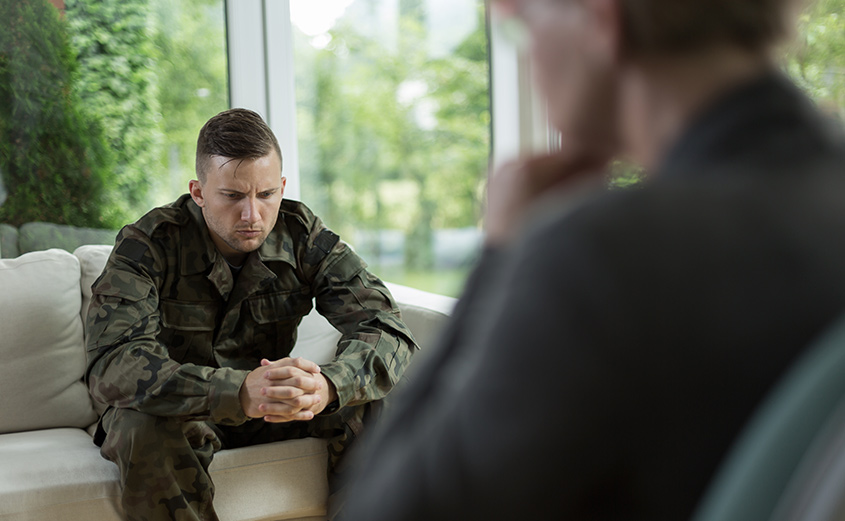
David K Johnson, PhD and the Department of Defense have teamed up to investigate the healing effects of aerobic exercise on mild traumatic brain injuries (mTBI). The researchers are focusing on United States soldiers who have experienced brain injuries from improvised explosive devices, or IEDs, in Iraq and Aphganistan. While rarely resulting in penetrating harm, IEDs are a common tool of terrorist organizations and their detonation can result in severe head trauma followed by up to six minutes of loss consciousness. Johnson’s results, which show beneficial improvements to soldiers’ conditions upon significant exercise, may have broad implications to those diagnosed with mTBI that are fit enough for aerobic exercise.

Although a specialist on Alzheimers, Johnson appreciates the possible overlaps with mTBIs in younger patients when it comes to the biochemical processes in the brain. When talking about his study, which was spearheaded by a $500,000 grant to improve the life quality of US soldiers, Johnson explains that, “An awful lot of the biochemical process in mTBI appears to be related to Alzheimer’s disease […] we know aerobic exercise can reduce the amount of biochemicals associated with Alzheimer’s disease, reduce the plaques and tangles, so we think it will work with mTBI as well. Aerobic exercise helps the brain heal itself.” To further test this hypothesis, Johnson is working with one hundred volunteers at Fort Riley to test for cognitive fitness before and after structured aerobic training.

mTBI is the most common brain injury. Athletic activity and warfare dramatically increase the chance of mTBI, most often due to non-penetrating impact on the brain. The good news is, however, that young athletes, soldiers, and veterans that have mTBI can still partake in aerobic exercise unless physically barred from running. Johnson and his team are hopeful and eager about their study. Moreover, by looking for physical and chemical signatures, more can be understood about prolonged brain injuries. “Because mTBI shares so much biologically with early Alzheimer’s disease,” Johnson explain, “I hope that what is working in our older adults also works in these young men and women.”

SOURCE: 

https://news.ku.edu/2016/12/06/researchers-use-aerobic-exercise-promising-treatment-wounded-warriors-mild-traumatic

The Pathways team of professionals has helped thousands of people with brain injuries. We are Dedicated to effective and compassionate care for individuals with neurological challenges.

The post Military Study: Aerobic Exercise as an Effective Treatment for mTBI appeared first on Pathways Neuropsychology Associates.


Source: Pathways Neuropsychology
Military Study: Aerobic Exercise as an Effective Treatment for mTBI

Mindfulness Meditation Helps Your Mind & Body

Mindfulness Meditation Helps Your Mind & Body

psychologist toms river nj, Mindfulness Meditation A new study suggests there’s some science behind the claims made for mindfulness meditation. The benefits of mindfulness meditation, increasingly popular in recent years, are supposed to be many: reduced stress and risk for various diseases, improved well-being, a rewired brain. But the experimental bases to support these claims have been few. Supporters of the practice have relied on very small samples of unrepresentative subjects, like isolated Buddhist monks who spend hours meditating every day, or on studies that generally were not randomized and did not include placebo­ control groups.

The study published in Biological Psychiatry brings scientific thoroughness to mindfulness meditation and for the first time shows that, unlike a placebo, it can change the brains of ordinary people and potentially improve their health.

Excerpt from New York Times. read the full story here

The Pathways team of professionals has helped thousands of people with brain injuries. We are Dedicated to effective and compassionate care for individuals with neurological challenges.

The post Mindfulness Meditation Helps Your Mind & Body appeared first on Pathways Neuropsychology Associates.


Source: Pathways Neuropsychology
Mindfulness Meditation Helps Your Mind & Body

What can a neuropsychologist do for you?

What can a neuropsychologist do for you?

what a neuropsychologist can do for you? brain injury

If you are reading this article, then you have most likely heard of a neuropsychologist. Maybe you have even been to one. But do you know the vast scope of what a neuropsychologist can do for you? As per the American Academy of Clinical Neuropsychology, “clinical neuropsychology is a specialty field within clinical psychology, dedicated to understanding the relationships between brain and behavior, particularly as these relationships can be applied to the diagnosis of brain disorder, assessment of cognitive and behavioral functioning, and the design of effective treatment” (AACN). A neuropsychologist is a clinical PhD psychologist, who has obtained an additional board certification in the specialty of neuropsychology, and has completed expansive post-doctoral clinical training hours across various populations.

How do you know if you need to improve upon your cognitive and behavioral skills? You may not even realize they are impacted for one. One of the signs of cognitive dysfunction is having limited to no self-awareness and insight into your deficits. This is caused by decreased executive functioning. Executive functioning and self regulation skills are the mental processes that enable us to plan, focus attention, remember instructions, and juggle multiple tasks successfully. And that is just the beginning of the explanation.

If you or a loved one has suffered a brain injury, you may be referred to a neuropsychologist. If you are not referred, you may have found one on your own. Why is this a good idea? Because even if you suffer a mild brain injury, you may find yourself with difficulty focusing, or trouble regulating your emotions. Neuropsychologists can help evaluate and treat those executive functions that might be impaired and impact your return to work, hobbies, and everyday activities.

Even if a person’s brain injury was months or years ago, and was a mild concussion, deficits may still be present. A person may have more trouble concentrating on paying their bills. Maybe you know a student who’s grades are slipping after a soccer injury. Or, you may notice a personality change in your loved one, and it has made your relationship strained. All of those scenarios may lead you to seek help, and neuropsychologists are available to provide that help with any of those hardships.

Pathways Neuropsychology Associates provides clients with access to neuropsychologists, clinical psychologists, social workers, speech pathologists, and most importantly, access to help, and a listening ear. Contact us today at 732-930-2242.

The following link is a post to a discussion regarding neuropsychology testing following tbi from brainline.org, an online community made by people who have suffered brain injuries, for patients and their loved ones. >learn more

by Kristen Schreier M.A., CCC-SLP

Speech-Language Pathologist

The Pathways team of professionals has helped thousands of people with brain injuries. We are Dedicated to effective and compassionate care for individuals with neurological challenges.

The post What can a neuropsychologist do for you? appeared first on Pathways Neuropsychology Associates.


Source: Pathways Neuropsychology
What can a neuropsychologist do for you?

You Can Be Smart and Have ADHD

You Can Be Smart and Have ADHD

adhd evaluation & testing

Many believe that an ADHD diagnosis is a reflection of one’s intelligence or potential to thrive academically. Dr. Thomas E Brown, a world leader in ADHD at Yale University, asserts that this is unequivocally not the case in Smart But Stuck. In fact, he notes that there are many adults and teens that have superior intelligence, especially in verbal IQ scores. Dr. Brown argues that ADHD is a complex syndrome that features compromised use of one’s executive functions to self-manage activation, focus, effort, emotion, memory, and action. Under this model, one can be extremely bright but fail to modulate actions and emotions in a successful manner. (To learn more about ADHD, click here).

While ADHD can adversely affect academic and social pursuits, the good news is that proper management, with or without pharmaceutics, can help a “smart but stuck” individual become “unstuck”. In his book, Dr. Brown relays the stories of multiple individuals that sought therapy after disappointing performances at work. One story follows a young student that excelled in high school only to severely struggle passing and attending courses at a prestigious university. Another recollection tells the tale of a thirty year-old computer programmer that loses his job and wife despite being a brilliant computer scientist. Each case is a nonfictional account of those who are objectively intelligent, but experience severe setbacks or shortcomings. In short, it is not enough to be smart in order to succeed.

In addition to giving the reader a personal account of his patients, Dr. Brown highlights the source of the patient’s problems and shortcomings. Specifically, the context of one’s personal history and disruptions in executive functions are highlighted. Organization, working memory, focus, and emotional regulation are independent of intelligence. However, to become “unstuck”, it is imperative to address the impairments of executive functions. Most often, this requires the assistance of professional help.

Dr. Brown ends each chapter with a bullet point analysis of actions that resulted in patients becoming “unstuck”. While it can be challenging to overcome the obstacles presented by ADHD, counseling can lead to successful outcomes. Smart But Stuck showcases the stories of students and employees achieving at a high level in competitive universities and jobs. Fundamental to becoming “unstuck” is proper diagnosis and management of ADHD. At Pathways, Dr. Jay Gordon runs a comprehensive ADHD evaluation and management program. With a strong team of experts, Pathways is more than happy to help smart individuals become “unstuck” by arranging testing (IQ/ cognitive abilities) and personalized management that may include therapy and, if necessary, medication.

Smart But Stuck on Amazon:

The Pathways team of professionals has helped thousands of people with brain injuries. We are Dedicated to effective and compassionate care for individuals with neurological challenges.

The post You Can Be Smart and Have ADHD appeared first on Pathways Neuropsychology Associates.


Source: Pathways Neuropsychology
You Can Be Smart and Have ADHD

Mediterranean Diet – Good for the Brain

Mediterranean Diet – Good for the Brain

Mediterranean Diet - Good for the Brain

The Mediterranean diet is high in vegetables, fruits, olive oil and whole grains, and moderate in protein and animal fats. The Mediterranean diet has been shown in many studies to be beneficial in reducing the risk for diabetes, heart disease and stroke. A new study shows it may also be good for the brain.

Researchers measured brain volume using magnetic resonance imaging in 401 people when they were 73 years old and again when they were 76. They also ranked how closely their typical diets followed a Mediterranean one. All were healthy and free of dementia at the start of the observational study, in Neurology.

After adjustment for education, diabetes, hypertension and other factors, researchers found that the more closely they adhered to a Mediterranean-style diet, the less the loss of brain volume. Those with the strongest adherence averaged 10 milliliters greater total brain volume than those with the lowest. That effect is large — about half the effect of aging, which is the most significant cause of brain shrinkage…read more

Excerpt from New York Times. read the full story here

The Pathways team of professionals has helped thousands of people with brain injuries. We are Dedicated to effective and compassionate care for individuals with neurological challenges.

The post Mediterranean Diet – Good for the Brain appeared first on Pathways Neuropsychology Associates.


Source: Pathways Neuropsychology
Mediterranean Diet – Good for the Brain

Conquering Negative Thinking

Conquering Negative Thinking

neuropsychology health rehab Excerpt from New York Times. read the full story here 

Here’s a New Year’s challenge: Make 2017, the year that you quiet all those negative thoughts swirling around your brain.

All humans have a tendency to be a bit more like Eeyore than Tigger, to ruminate more on bad experiences than positive ones. It’s an evolutionary adaptation that helps us avoid danger and react quickly in a crisis.

But constant negativity can also get in the way of happiness, add to our stress and worry level and ultimately damage our health. And some people are more prone to negative thinking than others.

With practice you can learn to disrupt and tame negative cycles.

By acknowledging your negative cycle and accepting it, you are on your way to taming your negative thoughts. Acceptance is the basic premise of mindfulness meditation…

Excerpt from New York Times. read the full story here

The Pathways team of professionals has helped thousands of people with brain injuries. We are Dedicated to effective and compassionate care for individuals with neurological challenges.

The post Conquering Negative Thinking appeared first on Pathways Neuropsychology Associates.


Source: Pathways Neuropsychology
Conquering Negative Thinking

The Importance of Speech Therapy for Adults – Helping You Beyond Speech

The Importance of Speech Therapy for Adults – Helping You Beyond Speech

Pathways Neuropsychology Associates are beginning a blog that will highlight the various services offered, and who and how they can benefit. We will be featuring not only the specific clinical staff, but also the latest treatments and interventions, and the new evidence-based research. You can always contact us with any questions, and visit the website. For now, welcome to the “Cognition Corner.”

When many of you think of Speech Therapy, you may picture a very nice person sitting at a child’s table in a school helping either yourself or a friend to say your R’s correctly. That is the view for many of us. But this is going to serve as a public service announcement about the importance of speech therapy for adults, and as a vital team member to help in the recovery after something neurological happens such as a brain injury or stroke.

If you or a loved one are faced with a medical problem/condition that leads you to have problems with concentration, memory, math skills, and you are unable to complete your daily responsibilities, or even return to work; there are several people you would think to make appointments with.

You would make appointments with: your doctor, a neurologist, a neuropsychologist, possibly a lawyer or social worker, maybe even your pastor or clergy. You may not think about one of your stops along your road to recovery being at a speech pathologist’s office. But that is exactly one of the stops you should make!

From a mild concussion suffered during a soccer game, to a severe hemmorhagic stroke that has left your right side paralyzed, speech therapy is there for you just like any other rehabilitation service.

As per the American Speech-Language and Hearing Association (ASHA), it is within a Speech Pathologist’s scope of practice to, “play a primary role in the screening, assessment, diagnosis, and treatment of infants, children, adolescents, and adults with cognitive-communication disorders.” A Speech Pathologist has the knowledge and training to help someone identify what their deficits may be and what daily activities they may be impacting, as well as develop an individualized treatment plan that will target the cognitive-linguistic and executive functioning skills they will need for increasing quality of life, and returning to everyday activities such as work and school.

If you have difficulty following complex directions- speech therapy can help.

If you aren’t able to organize yourself and manage your time well, speech therapy can help.

If you are an accountant, and are having trouble with computation skills, speech therapy can help.

If you are a CEO, and you find yourself with no filter when talking and you are in danger of losing your job, speech therapy can help.

Those are just a few scenarios. No matter what your diagnosis or background, if you are finding problems with your: memory, attention, problem solving, self-monitoring, household chore management, there will be something in speech therapy for you.

The field of speech pathology has really grown over recent years, and the use of technology, tablets, and virtual reality has enabled SLPs to simulate functional tasks pertinent to your everyday activities. We can help you map out a bus route to work using google maps, or we can help you get cognitively enriching apps on your tablet through ITunes. And there are other devices out there dedicated to helping improve attention and cognition. Available technologies will be the subject of another blog post.

If you think you or your loved one would benefit from the strategies and activities that going to speech therapy can offer you, then talk to your doctor and get a perscription today! And call our number to schedule an appointment for an evaluation. Hope to see you soon, to be able to be on your road to recovery with you.

Kristen Schreirer, MA, CCC-SLP, CBIST

American Speech-Language-Hearing Association. (2005). Roles of speech-language pathologists in the identification, diagnosis, and treatment of individuals with cognitive-communication disorders: position statement [Position Statement]. Available from www.asha.org/policy.

The post The Importance of Speech Therapy for Adults – Helping You Beyond Speech appeared first on Pathways Neuropsychology Associates.


Source: Pathways Neuropsychology
The Importance of Speech Therapy for Adults – Helping You Beyond Speech

Comment on Welcome to Pathways Neuropsychology Associates by A WordPress Commenter

Comment on Welcome to Pathways Neuropsychology Associates by A WordPress Commenter

Hi, this is a comment.
To get started with moderating, editing, and deleting comments, please visit the Comments screen in the dashboard.
Commenter avatars come from Gravatar.


Source: Pathways Neuropsychology
Comment on Welcome to Pathways Neuropsychology Associates by A WordPress Commenter